Where Revenue Hides in Your Existing Lead List
Elizabeth Palermo
Founder & CEO, Brain Kindle LLC
KEY TAKEAWAYS
- Most contractors contact a new lead once or twice, then stop. Most sales in this trade close after the fourth contact.
- The arithmetic is simple: leads per month, current close rate, average job value, and the gap between them.
- Nurture does not mean nagging. It means being present at the moment the homeowner is ready.
- Old, cold quotes are the cheapest revenue available because you already paid to acquire them.
The short answer
Automated lead nurturing adds revenue by contacting people you already paid to acquire, at the moments you would otherwise have forgotten them. It does not generate demand. It recovers the portion of existing demand that is currently lost to silence, which for most trades businesses is the larger number.
Do the arithmetic before believing anyone
Any figure in a headline, including the one that used to be in this article's title, is meaningless until you put your own numbers in. Here is the whole calculation.
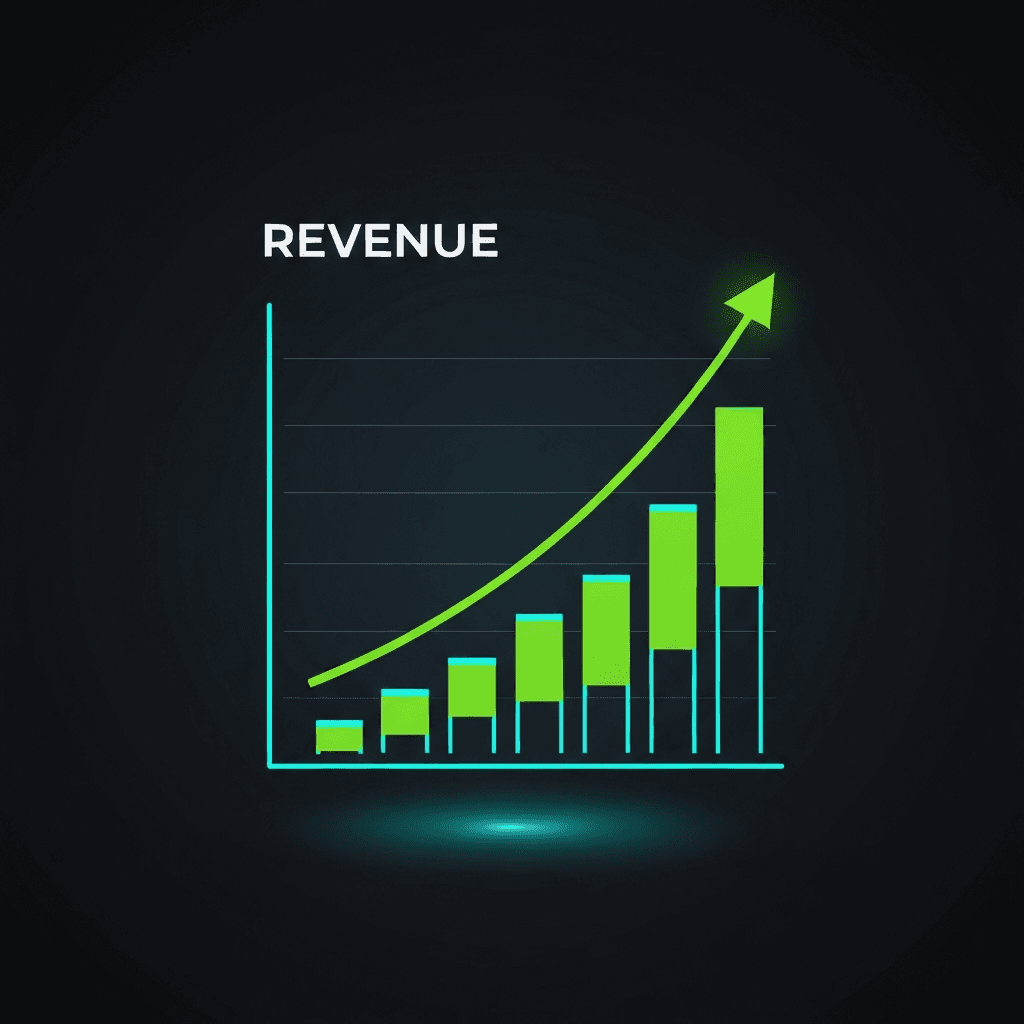
Take the leads you receive in a month. Multiply by your current close rate. That is what you book today. Now multiply the same lead count by a realistic improved close rate, and multiply the difference by your average job value. That is the recoverable number, and it is specific to you.
| Leads per month | Close rate | Jobs | Monthly revenue |
|---|---|---|---|
| 40 | 15% | 6 | $14,400 |
| 40 | 20% | 8 | $19,200 |
| 40 | 25% | 10 | $24,000 |
| 40 | 30% | 12 | $28,800 |
Nothing in that table requires a single additional lead. Moving from fifteen to twenty-five percent on the same forty inquiries is roughly ten thousand dollars a month, and the mechanism for moving it is contacting people more than once.
If your numbers are smaller, the recoverable amount is smaller. That is the honest version. What stays true across sizes is that the percentage gap between first-contact-only and persistent follow-up is large in every trades business we have measured.
Why follow-up stops at one or two contacts
Not laziness. Capacity. The owner doing the quoting is also doing the work, and following up feels like chasing, which feels uncomfortable, which means it slides to tomorrow. By the time there is a quiet evening, the quote is three weeks old and calling feels stranger still.
Meanwhile the homeowner was not saying no. They were waiting on a spouse, or a payday, or the next time the problem got bad enough. The gap between a quote and a decision in home services is frequently weeks. The follow-up stops long before the decision arrives.
What the sequence should actually contain
The first hour
An immediate acknowledgement by text, then a call attempt. Response speed does more for close rate than anything else in this list, because the homeowner is usually contacting three companies and largely decides on who engages first.
Days one to seven
A quote, then a check-in, then one piece of genuinely useful context. A photograph of similar work, a plain explanation of what drives the price, or a note on what happens if they wait. Useful beats persistent.
Weeks two to six
Spaced out, low pressure, and easy to reply to. A short text asking whether they have any questions outperforms a long email nearly every time, because it costs the homeowner nothing to answer.
Months three to twelve
Seasonal and occasional. A reminder before the season their job belongs to, a note when something changes. This is where the cheapest work in the business comes from and it is the part almost nobody builds.
| By hand | Automated | |
|---|---|---|
| Contacts per lead | 1 to 2 | 8 to 12 over a year |
| Happens when busy | No | Yes |
| Old quotes revisited | Rarely | Every one |
| Owner's time per lead | 15 to 30 min | Under 5 min |
| Consistency | Depends on the week | Identical every time |
We build the sequence, load your existing list into it, and show you what comes back.
BOOK A DEMOThe old list is the fastest money
Before building anything forward-looking, export every inquiry from the last eighteen months who did not book. For most contractors that is several hundred people who once had a problem you solve and who cost real money to acquire.
A single considered message to that list, offering something concrete rather than asking whether they are still interested, routinely produces bookings in the first week. It is the only marketing activity with no acquisition cost, because the cost was already paid and written off.
Where this goes wrong
Volume without relevance. Twelve identical messages saying "just following up" trains people to ignore you and gets your number reported. Each contact needs a reason to exist, and the sequence has to stop the moment someone books or asks to be left alone.
The second failure is automating the wrong stage. Automation is excellent at persistence and timing and poor at judgement. The conversation still has to become human at the point the homeowner engages, or the close rate goes down rather than up.
Frequently Asked Questions (FAQ)
Q: How many times should I follow up before giving up? A: For a quoted job, a year is reasonable, spaced widely after the first month. Most home service decisions happen weeks after the quote, and the company still present at that moment usually gets the work. Stop immediately if they ask you to.
Q: Will this annoy people? A: It does when the messages are generic and frequent. It does not when each one is short, relevant, easy to reply to, and stops on request. The complaint we hear from homeowners is overwhelmingly the opposite: nobody got back to them.
Q: Text or email? A: Text for anything time-sensitive or short, because it is read. Email for quotes, photographs and detail. Most sequences should use both, with text carrying the prompts and email carrying the substance.
Q: How long before I see anything? A: The old-list campaign usually produces bookings within days. The forward-looking sequence takes a full sales cycle to judge properly, which for most trades is sixty to ninety days, because leads entering it today have not reached their decision point yet.
Q: Do I need new software? A: You need something that holds the contact, the history and the sequence in one place. If you already run a CRM that does all three, use it. Most contractors are running an inbox and a phone, which cannot do this.